
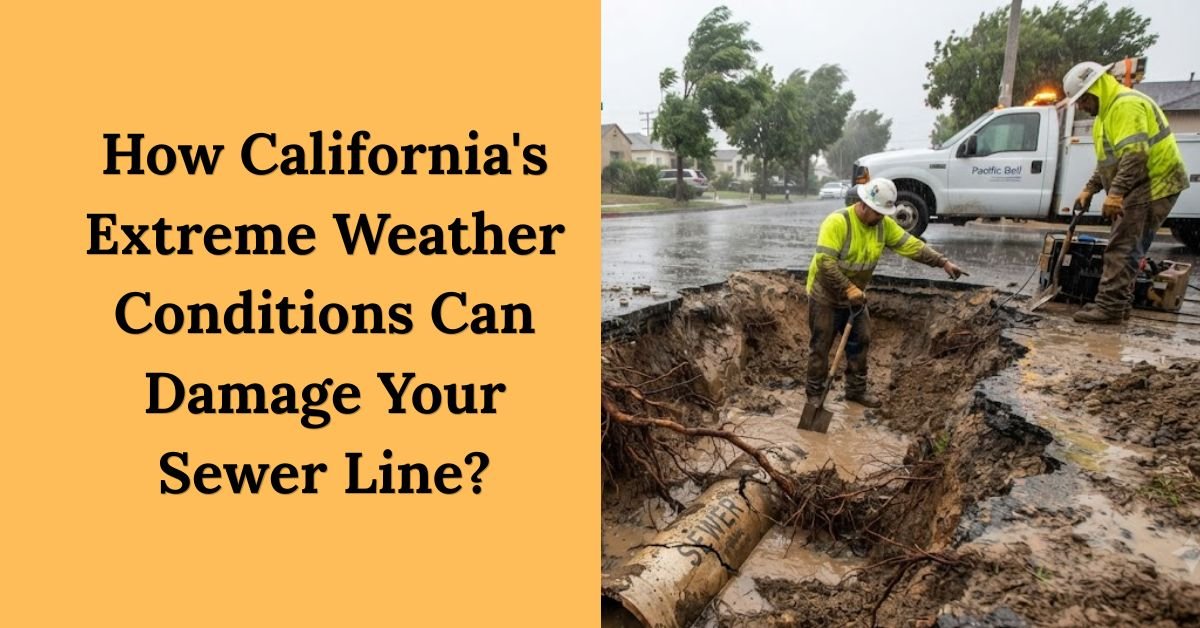
How California’s Extreme Weather Conditions Can Damage Your Sewer Line
Summary : California’s extreme weather can put underground sewer lines under a lot of stress. Long droughts can dry and shift soil, sudden heavy rains can saturate the ground, and both conditions can weaken pipes over time. This article explains the main ways weather damage happens, the warning signs to watch for, and how homeowners can protect their sewer lines before small issues turn into costly repairs.
California weather can be unpredictable, and that is exactly what makes it so hard on underground sewer lines. One season may bring long stretches of dry heat and shrinking soil, while another may bring intense rain, flooding, and sudden ground movement. Even though sewer lines are buried out of sight, they are still affected by the conditions around them.
When the soil shifts, dries out, or becomes oversaturated, the pressure on sewer pipes changes too. Over time, that can lead to cracks, pipe separation, root intrusion, blockages, and even full line collapse. For homeowners, these problems often show up as slow drains, foul odors, or repeated backups that seem to come out of nowhere.
Understanding how extreme weather affects your sewer line is the first step toward preventing major damage. With the right maintenance and early inspection, it is often possible to catch small problems before they become expensive emergencies.
Why Does California’s Weather Affect Sewer Lines?
California is especially tough on sewer systems because the weather can change so sharply from one extreme to another. Sewer pipes are built to stay underground for years, but they still need stable soil around them. When the ground dries out, expands, shifts, or washes away, the pipes inside it can move too.
Older neighborhoods are often more vulnerable because they may still have aging sewer materials, mature trees, and long-buried lines that have already seen decades of wear. Even newer systems can be affected if the soil conditions are poor or if the property has drainage problems.
The biggest challenge is that sewer damage usually builds slowly. A pipe may not fail the moment the weather changes, but repeated stress from drought, heat, rain, or flooding can weaken it over time. That is why early attention matters.
How Can Drought Conditions Damage Your Sewer Pipes?
Soil Shrinkage And Pipe Movement
During a drought, the ground loses moisture and begins to dry out. In clay-heavy areas, this can cause the soil to shrink and pull away from buried sewer pipes. Once that support is gone, pipes may settle unevenly, shift out of alignment, or develop pressure points.
Even a small amount of movement can create trouble. Sewer pipes are designed to carry wastewater in a straight, smooth path. When the line shifts, joints may loosen and small gaps can appear. Those gaps can become entry points for roots, debris, and moisture.
Cracks In Aging Sewer Lines
Dry, compacted soil can place extra stress on old pipes. If a sewer line already has weak spots from age or corrosion, drought conditions can make those weaknesses worse. Small cracks may widen, and joints may begin to separate.
This is especially common in older homes with clay or cast iron sewer lines. These materials can last a long time, but they are not immune to shifting soil and repeated pressure. A line that has survived for years can still fail after one especially dry season if it was already under stress.
Why Tree Roots Become More Aggressive
When the ground dries out, trees and shrubs look for moisture wherever they can find it. Sewer pipes can become a target because tiny cracks or loose joints may release water vapor and organic material that attract root growth.
Once roots find their way inside a sewer line, they can spread quickly. They may catch debris, slow water flow, and eventually form a dense blockage. In many cases, the root problem starts small and builds quietly until the homeowner notices repeated clogs or backups.
Monsoon drought status update from the U.S. drought monitor provides up-to-date information on drought conditions and their impacts across California, helping homeowners understand how prolonged dry weather can affect underground sewer lines.
How Do Heavy Rain And Flooding Affect Sewer Systems?
Saturated Soil Puts Pressure On Pipes
Heavy rain creates a different kind of problem. Instead of soil shrinking, the ground becomes saturated and heavy. That wet soil can press against sewer pipes from the outside, especially if the surrounding ground is unstable or poorly compacted.
If the pipe is already cracked or weakened, the extra pressure can make the damage worse. In some cases, the soil around the pipe can also shift or wash away, leaving sections of the line unsupported. Once that happens, the pipe may sag or break.
Sewer Backups Become More Likely
When stormwater overwhelms the ground, it can find its way into damaged sewer lines. If the pipe has cracks, open joints, or root openings, excess water can enter the system and reduce its ability to drain properly.
That often leads to backups, slow drainage, or overflow in the lowest parts of a home. If multiple drains begin acting up at the same time after heavy rain, the sewer line may be the real issue. This is one of the clearest signs that the weather has started to affect the system.
Erosion Around Underground Lines
Flooding and runoff can erode soil around buried sewer pipes. When the earth washes away, the pipe loses support and begins to shift. Over time, that movement can create a belly in the line, a separation at the joints, or a complete break.
Erosion damage is dangerous because it may not be obvious at first. A sewer line can look fine from the surface while slowly losing the support it needs underground.
Why Do Tree Roots Cause More Sewer Problems During Extreme Weather?
Weather stress and root intrusion often go hand in hand. Dry conditions encourage roots to search deeper for water, while wet periods give those roots the moisture they need to spread quickly.
Homes with large trees, dense landscaping, or older sewer systems are more at risk. If tree roots are already close to the line, weather changes can speed up the damage. A small crack may stay harmless for a while, but once roots enter the pipe, they can make a minor issue much worse. Regular tree care and root management are important for preventing root-related sewer line blockages and pipe damage.
Even simple landscaping choices matter. Trees planted too close to sewer lines, heavy watering near buried pipes, and poor drainage around the yard can all add to the problem.
What Are The Warning Signs Of Weather-Related Sewer Damage?
Sewer damage does not always appear as a dramatic emergency. More often, it starts with small warning signs that are easy to overlook. Homeowners should pay attention to changes such as slow drains, gurgling sounds, recurring toilet clogs, or sewage smells near sinks, tubs, or the yard.
Other signs may include wet patches in the lawn, unusually green grass in one area, sinkholes, or standing water where it should not be. If several fixtures start backing up at once, that is often a sign the problem is deeper in the system rather than in one drain.
The sooner these signs are checked, the easier it may be to prevent larger damage.
How Do Different Weather Conditions Affect Your Sewer Line?
Drought
- Possible Sewer Line Damage: Soil shrinkage, pipe shifting, and joint separation.
- Common Warning Signs: Slow drains, recurring clogs, and reduced drainage performance.
Heavy Rain
- Possible Sewer Line Damage: Increased water pressure, groundwater infiltration, and soil movement around pipes.
- Common Warning Signs: Drain backups, gurgling sounds from fixtures, and slow drainage.
Flooding
- Possible Sewer Line Damage: Soil erosion, pipe sagging, and broken sewer lines.
- Common Warning Signs: Sewage odors, wet patches in the yard, and standing water near drains.
Heat Waves
- Possible Sewer Line Damage: Dry soil stress, weakened pipe joints, and ground shifting.
- Common Warning Signs: Intermittent drainage problems and recurring minor clogs.
Tree Root Growth
- Possible Sewer Line Damage: Blockages, pipe cracks, and root intrusion inside the sewer line.
- Common Warning Signs: Frequent backups, recurring drain clogs, and root-related plumbing issues.
Which Sewer Pipes Are Most Vulnerable To Weather Damage?
Not all sewer pipes react the same way to extreme weather, but some materials are more vulnerable than others.
Clay sewer pipes are common in older homes and are more likely to crack or allow root intrusion. Cast iron pipes can corrode over time, especially if they have already been weakened by age or moisture. PVC pipes are more durable, but they are not completely immune. If the ground shifts enough, even modern pipe materials can be affected.
The age of the home, the type of soil, and the condition of the surrounding landscaping all play a role. A newer pipe in unstable soil may still run into problems, while an older line in stable ground may last longer than expected.
How Can You Prevent Weather-Related Sewer Line Damage?
Schedule Regular Sewer Camera Inspections
A sewer camera inspection is one of the best ways to catch hidden damage early. It gives a clear view inside the line and can reveal cracks, root intrusion, offsets, blockages, and other problems before they become serious.
This is especially helpful after major weather events or if the home has a history of slow drains and backups.
Keep Trees And Shrubs Away From Sewer Lines
Tree roots are a major cause of sewer damage, so planting choices matter. Large trees should be placed well away from underground sewer pipes whenever possible. If trees are already close to the line, regular inspection becomes even more important.
Watch For Drainage Problems Around The Property
Poor drainage can make weather damage worse. Water pooling near the foundation, runoff across the yard, or soggy soil around buried pipes can all add stress to the sewer system. Keeping water moving away from the property helps protect underground lines.
Address Small Issues Quickly
A small clog or mild backup might not seem urgent, but it can be a warning sign of something bigger. Ignoring the early symptoms gives weather-related damage more time to spread. Fixing problems early usually costs less and causes less disruption.
When Should You Repair Or Replace A Damaged Sewer Line?
Not every damaged sewer line needs to be replaced. In many cases, a repair is enough if the issue is limited to one section of pipe, one root intrusion point, or a small crack.
Replacement may be necessary when the damage is widespread, the line keeps failing, or the pipe has collapsed in more than one area. Older lines with repeated weather damage may also be better off replaced rather than patched over and over again.
A professional inspection is the best way to decide. Once the condition of the line is clear, the next step becomes much easier to plan.
How Can A Professional Plumber Help Identify Sewer Problems?
Extreme weather can cause sewer line issues that are difficult to spot without specialized equipment. While slow drains, foul odors, or recurring backups may indicate a problem, the actual cause is often hidden underground. A professional plumber can perform a thorough inspection to identify cracks, root intrusion, pipe misalignment, blockages, or other damage before it becomes more serious.
Many local plumbers use sewer camera inspections to get a clear view inside the line without unnecessary digging. This allows them to accurately diagnose the problem and recommend the most effective solution, whether it involves a simple repair or a complete sewer line replacement. If your property has experienced heavy rain, flooding, drought conditions, or repeated plumbing issues, scheduling an inspection with a trusted local plumber can help protect your home and prevent costly sewer emergencies.
Protect Your Sewer Line From California’s Extreme Weather
California’s extreme weather can do serious damage to sewer lines over time. Drought can dry and shift the soil, heavy rain can saturate and erode it, and flooding can weaken the ground that supports buried pipes. Add in tree root growth, aging pipe materials, and poor drainage, and the risk becomes even higher.
The good news is that many sewer problems can be managed before they turn into major repairs. Paying attention to warning signs, scheduling inspections, and taking action early can help protect the line, the home, and the budget. When damage does occur, professional sewer line repair & replacement service can help solve the problem by restoring proper flow, fixing broken sections, and replacing severely damaged pipes before the issue gets worse.
Frequently Asked Questions
Can drought really damage a sewer line?
Yes. When the soil dries out, it can shrink and shift away from the pipe, which may cause cracks, joint separation, or movement in the line.
Why do sewer backups happen after heavy rain?
Heavy rain can saturate the soil and allow water to enter damaged pipes. That extra water can slow drainage and lead to backups.
How do tree roots get into sewer pipes?
Roots are drawn to moisture. If a sewer pipe has even a small crack or loose joint, roots can enter and spread inside the line.
What are the first signs of sewer line damage?
Common signs include slow drains, repeated clogs, gurgling noises, sewage odors, wet spots in the yard, and backups in more than one fixture.
How can homeowners protect their sewer lines from weather damage?
Regular sewer camera inspections, proper drainage, careful landscaping, and quick repairs when warning signs appear can all help reduce the risk.